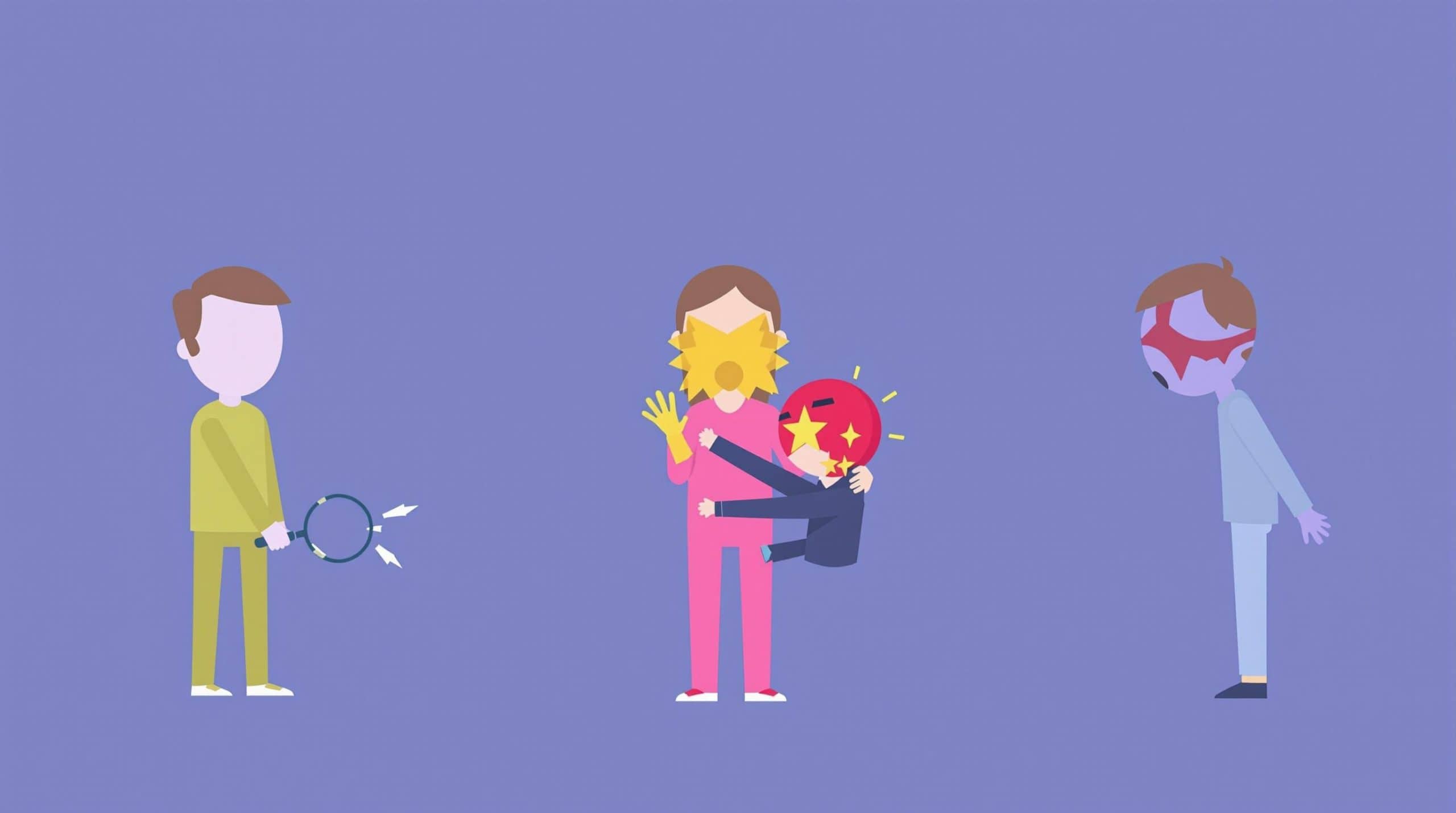
In recent years, conversations around mental health have expanded significantly, yet a powerful barrier continues to prevent millions from seeking help: stigma. According to psychologists providing psychotherapy in Tarneit Werribee, Mental health stigma remains one of the most persistent obstacles to recovery in modern society, creating a culture of silence that can be as damaging as the conditions themselves.
The Weight of Silence: Understanding Mental Health Stigma
Mental health stigma manifests in various forms—from overt discrimination to subtle social cues that invalidate psychological suffering. This stigma doesn’t exist in a vacuum; it’s embedded in our language, media representations, workplace policies, and even healthcare systems. When someone struggling with depression hears phrases like “just snap out of it” or anxiety is dismissed as “being dramatic,” these microaggressions reinforce the notion that mental health challenges reflect personal weakness rather than legitimate medical conditions.
The consequences are profound. Research indicates that stigma doesn’t just hurt feelings—it literally costs lives. Many individuals delay treatment by an average of 8-10 years after symptoms first appear, primarily due to fear of judgment. This treatment gap allows conditions to worsen, sometimes to crisis points that could have been prevented with earlier intervention.
How Stigma Directly Impacts Recovery
Recovery from mental health conditions rarely follows a linear path, and stigma creates significant roadblocks at every turn:
Self-stigma occurs when individuals internalize negative societal attitudes, believing they are somehow flawed or unworthy of help. This internalization can trigger shame, which further isolates those suffering and diminishes their belief in recovery possibilities.
Social isolation frequently results from stigma, so we are informed by psychotherapist psychology providers in Werribee Manor Lakes, as individuals withdraw from relationships to avoid judgment. Yet social connection represents one of the most powerful protective factors in mental health recovery, creating a devastating paradox where stigma removes exactly what might help most.
In professional environments, fear of career repercussions leads many to hide their struggles. Despite legal protections, the workplace stigma surrounding mental health conditions remains pervasive, with many employees believing disclosure would limit advancement opportunities or lead to subtle discrimination.
Cultural Dimensions of Mental Health Stigma
Mental health stigma doesn’t affect all communities equally. In many cultural contexts, psychological challenges carry additional layers of shame or are viewed through different interpretive lenses. Some communities may frame mental health challenges as spiritual issues, moral failings, or matters to be handled privately within families rather than medical conditions requiring professional intervention.
For marginalized communities already facing discrimination, mental health stigma creates a form of “double jeopardy” where seeking help means risking additional judgment or misunderstanding. Cultural competence in mental healthcare becomes essential for breaking down these barriers.
Breaking the Silence: Pathways Forward
Despite these challenges, important progress is being made in combating mental health stigma. Breaking the silence through education and personal stories has proven particularly effective in changing attitudes. When public figures openly discuss their mental health journeys, they help normalize these experiences and demonstrate that recovery is possible.
Language matters profoundly in this effort. Shifting from stigmatizing terminology (“he’s bipolar”) to person-first language (“he lives with bipolar disorder”) helps separate individuals from their conditions and recognizes the full complexity of their humanity.
Media representation has begun improving as well, with more nuanced portrayals of mental health challenges replacing harmful stereotypes that once dominated films and television. These representations help challenge stigma by showing the reality of mental health conditions rather than sensationalized caricatures.
The Role of Policy and Systems
Beyond individual attitudes, addressing stigma requires systemic change. Mental health parity in insurance coverage remains inconsistently implemented despite legal requirements. Workplace policies that normalize mental health days and provide robust employee assistance programs signal that psychological wellbeing deserves the same attention as physical health.
Healthcare systems themselves sometimes perpetuate stigma through fragmented care models that separate mental health from physical health services. Integrated care approaches that treat the whole person represent an important advancement in reducing this institutional form of stigma.
Recovery in a Post-Stigma World
Imagine a society where disclosing anxiety carries no more shame than mentioning diabetes. Where seeking therapy is viewed as a sign of strength rather than weakness. Where workplaces actively support employee mental health rather than penalizing vulnerability. Work Cover psychologist clinic services over in Tarneit Werribee in Wyndham, provide therapy services to help with this.
In such an environment, recovery rates would likely improve dramatically. Without stigma creating barriers to treatment, individuals could access help earlier, engage more fully with therapeutic processes, and maintain the social connections that support healing.
The path forward requires continued advocacy, education, and courage from those willing to share their stories. By breaking the silence surrounding mental health stigma, we create space for genuine healing—not just for individuals currently struggling, but for society as a whole.
Recovery becomes possible when we recognize that mental health challenges are neither character flaws nor choices, but human experiences deserving of compassion, understanding, and effective treatment. In challenging stigma, we don’t just improve individual outcomes—we create a more psychologically healthy society for everyone.
Leave a Reply