Author: Kathleen

  • Breaking the Silence: How Mental Health Stigma Impacts Recovery in Modern Society

    Breaking the Silence: How Mental Health Stigma Impacts Recovery in Modern Society

    In recent years, conversations around mental health have expanded significantly, yet a powerful barrier continues to prevent millions from seeking help: stigma. According to psychologists providing psychotherapy in Tarneit Werribee, Mental health stigma remains one of the most persistent obstacles to recovery in modern society, creating a culture of silence that can be as damaging as the conditions themselves.

    The Weight of Silence: Understanding Mental Health Stigma

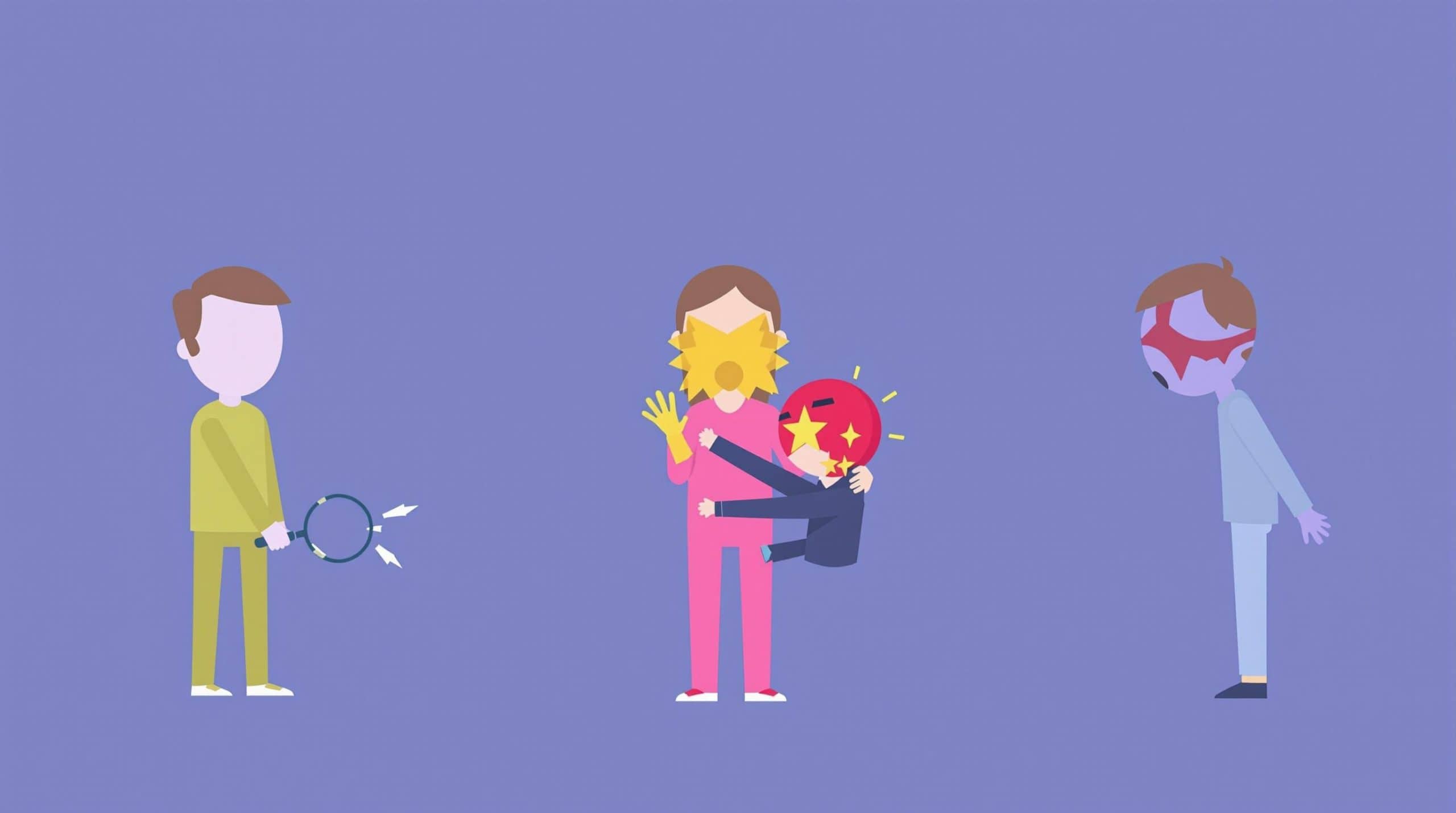
    Mental health stigma manifests in various forms—from overt discrimination to subtle social cues that invalidate psychological suffering. This stigma doesn’t exist in a vacuum; it’s embedded in our language, media representations, workplace policies, and even healthcare systems. When someone struggling with depression hears phrases like “just snap out of it” or anxiety is dismissed as “being dramatic,” these microaggressions reinforce the notion that mental health challenges reflect personal weakness rather than legitimate medical conditions.

    The consequences are profound. Research indicates that stigma doesn’t just hurt feelings—it literally costs lives. Many individuals delay treatment by an average of 8-10 years after symptoms first appear, primarily due to fear of judgment. This treatment gap allows conditions to worsen, sometimes to crisis points that could have been prevented with earlier intervention.

    How Stigma Directly Impacts Recovery

    Recovery from mental health conditions rarely follows a linear path, and stigma creates significant roadblocks at every turn:

    Self-stigma occurs when individuals internalize negative societal attitudes, believing they are somehow flawed or unworthy of help. This internalization can trigger shame, which further isolates those suffering and diminishes their belief in recovery possibilities.

    Social isolation frequently results from stigma, so we are informed by psychotherapist psychology providers in Werribee Manor Lakes, as individuals withdraw from relationships to avoid judgment. Yet social connection represents one of the most powerful protective factors in mental health recovery, creating a devastating paradox where stigma removes exactly what might help most.

    In professional environments, fear of career repercussions leads many to hide their struggles. Despite legal protections, the workplace stigma surrounding mental health conditions remains pervasive, with many employees believing disclosure would limit advancement opportunities or lead to subtle discrimination.

    Cultural Dimensions of Mental Health Stigma

    Mental health stigma doesn’t affect all communities equally. In many cultural contexts, psychological challenges carry additional layers of shame or are viewed through different interpretive lenses. Some communities may frame mental health challenges as spiritual issues, moral failings, or matters to be handled privately within families rather than medical conditions requiring professional intervention.

    For marginalized communities already facing discrimination, mental health stigma creates a form of “double jeopardy” where seeking help means risking additional judgment or misunderstanding. Cultural competence in mental healthcare becomes essential for breaking down these barriers.

    Breaking the Silence: Pathways Forward

    Despite these challenges, important progress is being made in combating mental health stigma. Breaking the silence through education and personal stories has proven particularly effective in changing attitudes. When public figures openly discuss their mental health journeys, they help normalize these experiences and demonstrate that recovery is possible.

    Language matters profoundly in this effort. Shifting from stigmatizing terminology (“he’s bipolar”) to person-first language (“he lives with bipolar disorder”) helps separate individuals from their conditions and recognizes the full complexity of their humanity.

    Media representation has begun improving as well, with more nuanced portrayals of mental health challenges replacing harmful stereotypes that once dominated films and television. These representations help challenge stigma by showing the reality of mental health conditions rather than sensationalized caricatures.

    The Role of Policy and Systems

    Beyond individual attitudes, addressing stigma requires systemic change. Mental health parity in insurance coverage remains inconsistently implemented despite legal requirements. Workplace policies that normalize mental health days and provide robust employee assistance programs signal that psychological wellbeing deserves the same attention as physical health.

    Healthcare systems themselves sometimes perpetuate stigma through fragmented care models that separate mental health from physical health services. Integrated care approaches that treat the whole person represent an important advancement in reducing this institutional form of stigma.

    Recovery in a Post-Stigma World

    Imagine a society where disclosing anxiety carries no more shame than mentioning diabetes. Where seeking therapy is viewed as a sign of strength rather than weakness. Where workplaces actively support employee mental health rather than penalizing vulnerability. Work Cover psychologist clinic services over in Tarneit Werribee in Wyndham, provide therapy services to help with this.

    In such an environment, recovery rates would likely improve dramatically. Without stigma creating barriers to treatment, individuals could access help earlier, engage more fully with therapeutic processes, and maintain the social connections that support healing.

    The path forward requires continued advocacy, education, and courage from those willing to share their stories. By breaking the silence surrounding mental health stigma, we create space for genuine healing—not just for individuals currently struggling, but for society as a whole.

    Recovery becomes possible when we recognize that mental health challenges are neither character flaws nor choices, but human experiences deserving of compassion, understanding, and effective treatment. In challenging stigma, we don’t just improve individual outcomes—we create a more psychologically healthy society for everyone.


  • Upcoming Mental Health Conferences in Barcelona: A Hub for Global Dialogue on Depression, Wellness, and More

    Upcoming Mental Health Conferences in Barcelona: A Hub for Global Dialogue on Depression, Wellness, and More

    Barcelona has long been renowned for its architectural marvels and cultural vibrancy, but in recent years, the Catalan capital has emerged as something else entirely: a global nexus for mental health discourse and innovation. The city’s combination of accessibility, academic excellence, and Mediterranean appeal has made it an ideal destination for international conferences focused on mental health advancement and collaboration.

    Barcelona: A Growing Center for Mental Health Dialogue

    The rise of Barcelona as a hub for mental health conferences reflects the growing global recognition of mental health as a critical public health priority. With its world-class facilities and supportive academic environment, Barcelona offers an inspiring backdrop for professionals seeking to address pressing challenges in depression treatment, wellness promotion, and psychological research.

    The city’s universities and medical institutions have fostered a culture of innovation that attracts leading researchers, clinicians, and advocates from around the world. This convergence of expertise creates unique opportunities for cross-disciplinary collaboration and knowledge exchange that can advance mental health care globally.

    Key Upcoming Conferences in 2025

    The conference calendar for Barcelona in 2025 is already filling with significant events focused on mental health. Among the most anticipated gatherings is the 7th World Congress on Anxiety, Depression, and Stress Management, scheduled for April 21-22, 2025. This congress will bring together specialists from diverse backgrounds to explore cutting-edge approaches to some of the most prevalent mental health challenges worldwide.

    Later in the year, the International Conference on Mental Health and Wellness (ICMHW) and the International Conference on Psychiatry and Psychology (ICPP) will offer platforms for sharing research findings and clinical innovations. These events typically attract hundreds of participants from dozens of countries, creating vibrant communities of practice that extend far beyond the conference dates themselves.

    A comprehensive listing of upcoming mental health conferences in Barcelona and throughout Spain can be found at https://conferenceindex.org/conferences/mental-health/spain, providing details on dates, themes, and registration opportunities.

    Themes and Focus Areas

    The 2025 conference lineup reflects the evolving priorities of the mental health field, with particular emphasis on:

    Depression and mood disorders: As global rates of depression continue to rise, conferences are increasingly focused on novel treatment modalities, prevention strategies, and understanding biological mechanisms.

    Holistic wellness approaches: The integration of physical, mental, and social dimensions of health is gaining prominence, with conferences exploring how comprehensive wellness strategies can enhance resilience and recovery.

    Digital mental health: Technological innovations, from telehealth to AI-assisted diagnostics, are revolutionizing access to care and creating new research possibilities that feature prominently in conference programs.

    Cross-cultural perspectives: Barcelona’s international character makes it an ideal venue for exploring how cultural factors influence mental health presentation, treatment efficacy, and service delivery models.

    Benefits of Participation

    For mental health professionals, researchers, and advocates, these conferences offer multiple advantages:

    Networking opportunities with global leaders in the field create possibilities for research collaboration, mentorship, and professional development. The latest research findings are often presented at these gatherings before formal publication, giving attendees early access to emerging knowledge.

    Continuing education credits are typically available, helping professionals maintain licensure while expanding their expertise. The exposure to diverse perspectives and approaches can spark innovation in one’s own practice or research agenda.

    Beyond the Conference Halls

    What makes Barcelona particularly appealing as a conference destination is the richness of experience available outside formal sessions. The city’s cultural heritage, from Gaudí’s architectural masterpieces to world-class museums, provides intellectual stimulation and opportunities for reflection.

    Many conferences are now incorporating wellness activities and mindfulness practices into their programs, taking advantage of Barcelona’s beautiful outdoor spaces and Mediterranean climate. These elements contribute to a more holistic conference experience that models the integration of wellbeing principles into professional life.

    Conclusion

    As mental health continues to gain prominence on the global health agenda, Barcelona’s role as a gathering place for innovation and dialogue will only grow. The 2025 conference lineup represents an exciting opportunity for those committed to advancing mental health care to connect, learn, and collaborate in one of Europe’s most inspiring cities.

    Whether you’re a seasoned researcher, practicing clinician, or advocate for mental health awareness, Barcelona’s upcoming conferences offer valuable platforms for engagement with the field’s most pressing questions and promising solutions. The convergence of global expertise in this vibrant Mediterranean setting creates ideal conditions for the kind of transformative thinking needed to address the complex challenges of mental health in the 21st century.

  • Art as Therapy: 7th Arts in Health Conference to Explore Culture’s Role in Emotional Well-Being

    Art as Therapy: 7th Arts in Health Conference to Explore Culture’s Role in Emotional Well-Being

    The intersection of art and health has long been recognized as a powerful combination, but only in recent years has it gained prominence in mainstream healthcare discussions. The upcoming 7th Arts in Health Conference promises to delve deeper into this vital connection, focusing specifically on how cultural engagement can impact our emotional well-being.

    The Growing Field of Arts in Health

    Healthcare providers and cultural institutions alike are increasingly acknowledging that artistic expression offers unique therapeutic benefits that traditional medicine alone cannot provide. From visual arts and music to dance and theater, creative activities are being integrated into treatment plans for both physical and mental health conditions.

    According to health professionals participating in the conference, arts-based interventions have shown remarkable results in reducing anxiety, managing pain, and providing emotional outlets for patients facing various health challenges. These approaches don’t replace conventional medicine but complement it in ways that address the whole person—mind, body, and spirit.

    Cultural Dimensions of Healing

    A significant focus of this year’s conference will be exploring how cultural context influences the effectiveness of arts-based therapies. Different cultural traditions offer unique approaches to healing through creative expression, and understanding these nuances can help healthcare providers deliver more personalized and effective care.

    The conference will showcase how indigenous healing practices, diverse cultural art forms, and community-based creative initiatives contribute to a broader understanding of well-being. This cultural sensitivity in therapeutic approaches recognizes that healing pathways are not universal but deeply connected to personal and community identities.

    Research and Evidence Base

    One of the most exciting developments in the arts in health field is the growing body of scientific evidence supporting what practitioners have observed for years. The conference will highlight recent research studies demonstrating measurable physiological and psychological benefits of arts engagement.

    From reduced cortisol levels following music therapy sessions to improved cognitive function through visual arts participation, researchers are documenting the biological mechanisms behind arts-based healing. This scientific validation helps secure support and funding for arts in health programs across various settings.

    Practical Applications and Programs

    The conference will showcase innovative programs being implemented in hospitals, community centers, schools, and other settings. Attendees will learn about successful models for integrating arts into healthcare environments and how these initiatives are improving patient outcomes and staff well-being.

    According to the Americans for the Arts organization, arts in health programs have been successfully implemented across diverse healthcare environments, from pediatric wards to senior care facilities, demonstrating the versatility and universal appeal of creative approaches to healing. More information about these wide-ranging applications can be found at https://www.americansforthearts.org/node/101238.

    Professional Development Opportunities

    For those working in healthcare, social services, or the arts, the conference offers valuable professional development opportunities. Sessions will address practical skills for implementing arts-based interventions, ethical considerations, and strategies for measuring outcomes.

    The growing field of arts in health is creating new career pathways for artists, therapists, and healthcare providers who want to work at this intersection. Conference workshops will provide guidance for professionals seeking to expand their practice into this rewarding area.

    Looking Forward: Policy and Funding

    As recognition of arts’ value in healthcare settings grows, conference sessions will also address the important topics of policy development and sustainable funding models. Advocates will discuss strategies for integrating arts in health approaches into healthcare systems, insurance coverage, and public health initiatives.

    The conference represents a crucial step in advancing the field, bringing together diverse stakeholders to build collaborative relationships that can transform how we think about health, healing, and the essential role of creative expression in human flourishing.

  • Catalan Society of Psychiatry and Mental Health Announces Annual PNECAT Conference in Barcelona

    Catalan Society of Psychiatry and Mental Health Announces Annual PNECAT Conference in Barcelona

    The Catalan Society of Psychiatry and Mental Health has officially announced its upcoming annual PNECAT Conference, scheduled to take place in Barcelona in early 2025. This prestigious event will bring together mental health professionals from across Catalonia and beyond to discuss advancements in psychiatric care, research innovations, and evolving treatment approaches.

    PNECAT 2025: Advancing Mental Health Practices

    The conference, known formally as PNECAT (Psychiatry and Neuroscience of Catalonia), represents one of the region’s most significant gatherings for mental health professionals. Scheduled to conclude on February 21, 2025, the multi-day event will be hosted at one of Barcelona’s premier conference venues, offering state-of-the-art facilities for presentations, workshops, and networking opportunities.

    “This year’s conference aims to bridge the gap between research and clinical practice,” explained Dr. Maria Puig, president of the Catalan Society of Psychiatry and Mental Health. “We’re particularly focused on integrating the latest neuroscientific findings into everyday psychiatric care.”

    Key Topics and Sessions

    The 2025 PNECAT Conference will feature several specialized tracks addressing the most pressing challenges in mental health today:

    – Digital Mental Health: Exploring telemedicine advancements and digital interventions
    – Trauma-informed approaches to psychiatric care
    – Updates in psychopharmacology and treatment-resistant conditions
    – Integrative approaches combining traditional and innovative therapies
    – Mental health policy and advocacy in the Catalan healthcare system

    Spotlight on Catalan Research

    A significant portion of the conference will showcase groundbreaking research conducted by Catalan institutions. The organizing committee has emphasized their commitment to highlighting local contributions to the global psychiatric knowledge base.

    “Catalonia has become a hub for psychiatric research excellence,” noted Dr. Jordi Serra, conference coordinator. “Our annual gathering provides an essential platform for sharing these innovations with the broader medical community.”

    International Collaboration

    While centered on Catalan mental health practices, the conference will welcome international speakers and attendees, fostering cross-border collaboration. Several renowned psychiatrists from across Europe and North America have confirmed their participation as keynote speakers.

    The event details, including registration information and the preliminary program, can be found at the official conference website.

    Continuing Education and Professional Development

    The PNECAT Conference has been accredited for continuing medical education credits, making it an attractive option for professionals seeking to maintain their credentials while staying current with emerging practices in psychiatry and mental health.

    Early registration is strongly encouraged, as previous editions of the conference have reached capacity well before the event dates. The organizing committee has arranged special accommodation rates at several hotels near the conference venue for out-of-town participants.

    With its rich program and focus on both clinical and research advancements, the 2025 PNECAT Conference promises to be an essential event for mental health professionals throughout Catalonia and beyond.

  • Schizophrenia in the Spotlight: International Experts Gather in Barcelona for 31st Symposium on Controversies in Psychiatry

    Schizophrenia in the Spotlight: International Experts Gather in Barcelona for 31st Symposium on Controversies in Psychiatry

    Schizophrenia in the Spotlight: International Experts Gather in Barcelona for 31st Symposium on Controversies in Psychiatry

    Groundbreaking Symposium Addresses Critical Challenges in Schizophrenia Treatment

    The global psychiatric community is preparing to converge in Barcelona for the 31st International Symposium on Controversies in Psychiatry, scheduled for April 10-11, 2025. This prestigious gathering, hosted at the historic Hospital de Sant Pau, will bring together leading minds in mental health to address pressing challenges and innovations in schizophrenia treatment and research.

    Under the theme “Innovation in Mental Health,” the symposium will feature comprehensive discussions on schizophrenia, a complex psychiatric disorder that affects approximately 24 million people worldwide. Renowned experts will present cutting-edge research findings and debate controversial approaches to diagnosis, treatment, and long-term care strategies.

    Leading Experts and Breakthrough Research

    Among the distinguished speakers, Professor Christoph Correll will present groundbreaking research on novel therapeutic approaches for schizophrenia. His lecture is expected to highlight recent pharmacological innovations and their potential impact on treatment-resistant cases.

    “This symposium represents a critical opportunity to bridge the gap between research and clinical practice,” notes one of the organizing committee members. “By bringing together diverse perspectives, we hope to challenge existing paradigms and inspire new approaches to schizophrenia care.”

    The event will explore several controversial topics, including the efficacy of early intervention strategies, the role of digital technologies in schizophrenia management, and the integration of psychosocial approaches with pharmacological treatments.

    Hybrid Format Expands Global Access

    In recognition of the global significance of these discussions, the symposium will employ a hybrid format, allowing psychiatrists, researchers, and mental health professionals worldwide to participate either in person or via live video streaming. This inclusive approach aims to democratize access to cutting-edge psychiatric knowledge and foster international collaboration.

    The organizing committee has structured the program to include not only formal presentations but also interactive panel discussions, case studies, and networking opportunities. This multifaceted approach reflects the complex nature of schizophrenia itself, which requires holistic understanding and multidisciplinary treatment strategies.

    Addressing Stigma and Social Dimensions

    Beyond clinical and research perspectives, the symposium will address the persistent challenge of stigma surrounding schizophrenia. Sessions will explore public perception, patient advocacy, and strategies for promoting more accurate understanding of the condition within broader society.

    “Stigma remains one of the greatest barriers to effective treatment,” explains a participating researcher. “By including these discussions alongside scientific presentations, we acknowledge that schizophrenia care extends beyond medication to encompass social and community dimensions.”

    The gathering represents a significant milestone in the ongoing effort to improve outcomes for people living with schizophrenia. By bringing together diverse expertise and fostering open dialogue about controversial approaches, the symposium aims to catalyze innovation in both research and clinical practice.

    For mental health professionals interested in attending this landmark event, comprehensive information about registration, programming, and accommodation options is available at the official conference portal.

    Looking Forward

    As the global burden of mental health conditions continues to grow, forums like the International Symposium on Controversies in Psychiatry play a vital role in advancing understanding and treatment of complex disorders like schizophrenia. The 2025 gathering in Barcelona promises to be a pivotal moment in this ongoing journey, potentially shaping the direction of schizophrenia research and treatment for years to come.

  • Breaking Barriers in Prison Mental Health: Catalonia Hosts First-Ever Penitentiary Care Conference

    Breaking Barriers in Prison Mental Health: Catalonia Hosts First-Ever Penitentiary Care Conference

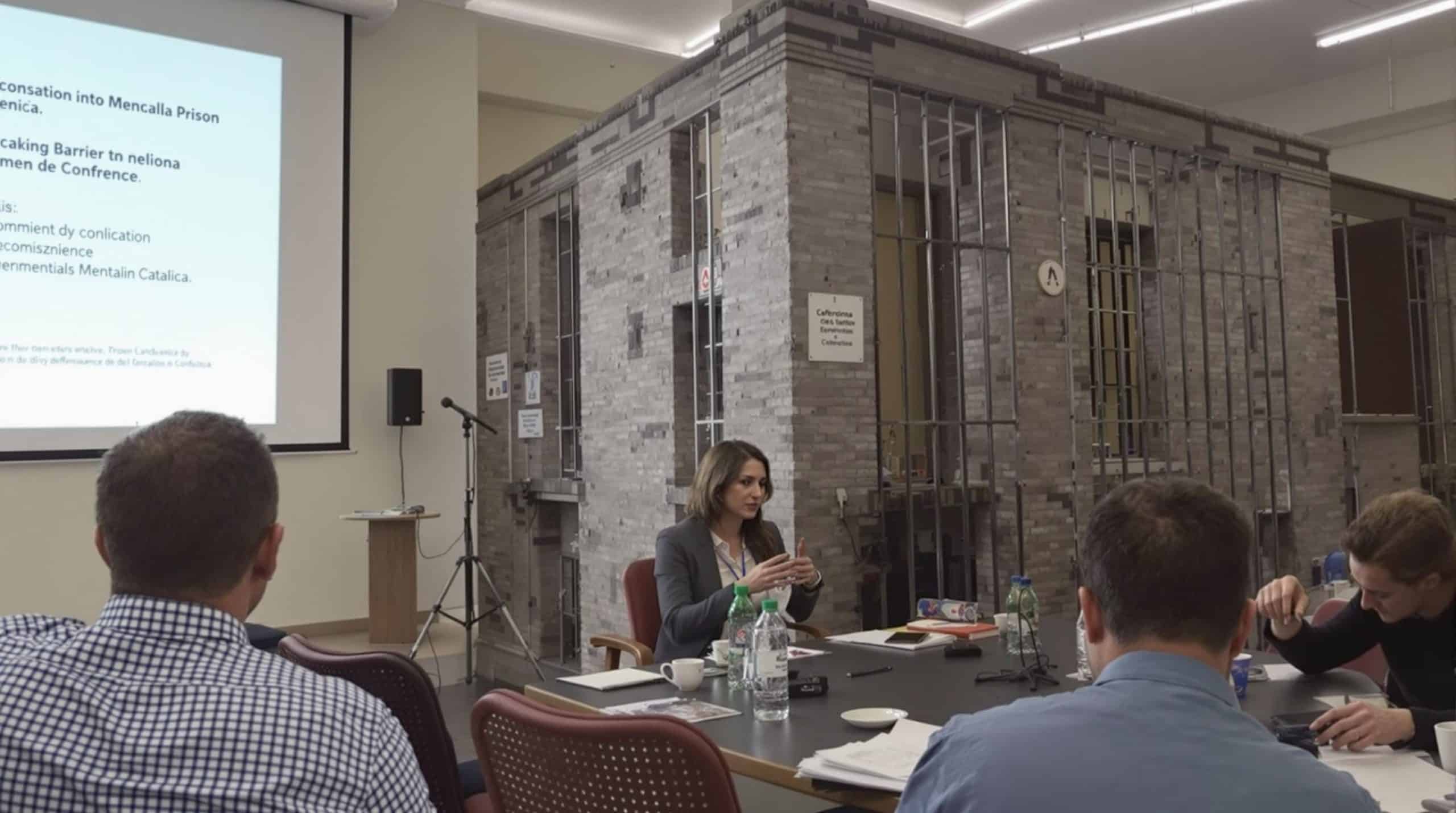
    In a groundbreaking initiative that marks a significant milestone in correctional healthcare, Catalonia recently hosted the First-Ever Penitentiary Care Conference, focusing specifically on mental health challenges within prison systems. This pioneering event brought together professionals from diverse fields including psychiatry, psychology, criminology, and correctional administration to address one of the most pressing issues facing modern penitentiary systems worldwide. In attendance will be an Australian delegation of specialist prison psychotherapist psychologists from Manor Lakes.

    The Mental Health Crisis Behind Bars

    The conference emerged against a backdrop of alarming statistics. Incarcerated individuals experience mental health disorders at rates substantially higher than the general population. Studies consistently show that conditions such as depression, anxiety, substance use disorders, and serious mental illnesses are disproportionately represented in prison populations, yet adequate treatment resources remain scarce in many correctional facilities globally.

    Catalonia’s Department of Justice, in collaboration with the Department of Health, organized this unprecedented gathering to confront these challenges head-on, building upon the region’s already progressive approach to prison healthcare integration. The Catalan model has gained international recognition for transferring responsibility for prison healthcare from justice departments to public health systems, creating a more comprehensive and continuous care framework.

    Innovative Approaches Showcased

    Over the three-day conference, experts presented numerous innovations in penitentiary mental healthcare. Among the most discussed topics was the implementation of specialized psychiatric units within correctional facilities, staffed by trained mental health professionals who provide individualized care plans for inmates with severe mental illness.

    Another significant focus was the development of transitional care programs designed to ensure continuity of treatment when individuals move between incarceration and community settings. These programs aim to reduce recidivism rates and improve overall health outcomes by maintaining therapeutic relationships and medication regimens during critical transition periods. The delegation from Growth Minded counsellor psychology clinics in Manor Lakes will be able to field questions about this.

    According to research from Catalonia’s pioneering model (https://pmc.ncbi.nlm.nih.gov/articles/PMC11372278/), integrating prison healthcare with public health systems has demonstrated measurable improvements in treatment outcomes and reduced healthcare disparities among incarcerated populations.


    Cross-Disciplinary Collaboration

    Perhaps the most valuable aspect of the conference was its emphasis on cross-disciplinary collaboration. Traditional barriers between security staff, healthcare providers, and social services were addressed through workshops focused on collaborative care models. These sessions highlighted how correctional officers can be trained to identify mental health crises and work cooperatively with clinical staff to ensure appropriate interventions.

    The conference also featured testimonials from formerly incarcerated individuals who shared their experiences with mental health services during and after imprisonment, providing crucial perspectives that informed discussions on system improvements.

    Technological Innovations

    Digital health solutions featured prominently at the conference, with presentations on telehealth initiatives that enable remote psychiatric consultations for prisons in rural areas. These technologies help address specialist shortages while reducing transportation costs and security risks associated with external medical visits.

    Mental health screening tools powered by artificial intelligence were also showcased, demonstrating how automated assessment systems can help identify at-risk individuals early in their incarceration, enabling proactive intervention before crises develop.

    Global Implications and Future Directions

    The conference concluded with a commitment to establishing an international network of penitentiary mental health professionals dedicated to sharing best practices and research findings. Representatives from over 20 countries pledged to implement pilot programs based on successful models presented during the sessions.

    Catalonian Justice Minister emphasized that this inaugural conference represents just the beginning of a sustained effort to transform mental healthcare in correctional settings worldwide. Plans for a biennial conference were announced, with the next gathering scheduled to take place in Stockholm.

    By bringing unprecedented attention to the intersection of mental health and incarceration, Catalonia’s pioneering conference has established a new benchmark for addressing one of the most challenging aspects of correctional management, potentially improving outcomes for millions of vulnerable individuals in custody around the world. To hear more from the Australian delegation visit Growth Minded here.